Students and families: It is our right to learn in our mother tongue
 Leader Ocalan: Provocations in Rojava must be stopped immediately
Death of child from gunshot wound in Hasakah
49 prisoners held by transitional govt. released
“Woman, Life, Freedom” is alternative to systems of 21st century
Rising rents in Hama calls for regulation of housing market
Students and families: It is our right to learn in our mother tongue
ANHA agency plan, September 16, 2026
SDC calls for addressing Syria's cost-of-living crisis
Israel releases young man from Quneitra countryside
One killed, another injured in landmine explosion in rural Damascus
Hasakah Governor discusses many issues about Hasakah situation
US aircraft flies over Palmyra Desert area as ISIS positions are targeted
Residents of Tal Tamr hold sit-in in protest against fuel price soars
Young man injured in landmine explosion south of Tal Tamr
Leader Ocalan: Provocations in Rojava must be stopped immediately
Death of child from gunshot wound in Hasakah
49 prisoners held by transitional govt. released
“Woman, Life, Freedom” is alternative to systems of 21st century
Rising rents in Hama calls for regulation of housing market
Students and families: It is our right to learn in our mother tongue
ANHA agency plan, September 16, 2026
SDC calls for addressing Syria's cost-of-living crisis
Israel releases young man from Quneitra countryside
One killed, another injured in landmine explosion in rural Damascus
Hasakah Governor discusses many issues about Hasakah situation
US aircraft flies over Palmyra Desert area as ISIS positions are targeted
Residents of Tal Tamr hold sit-in in protest against fuel price soars
Young man injured in landmine explosion south of Tal Tamr
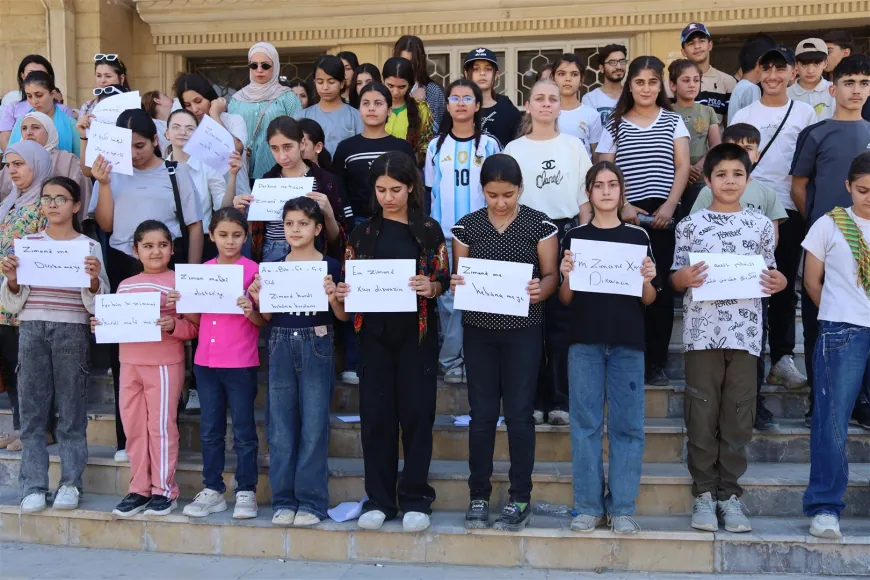
Sit-ins and protests continue across the cities of Rojava in opposition to the transitional government's decision to restrict Kurdish language instruction to three weekly lessons. Students and their families are demanding the guarantee of their right to education in their mother tongue, the continuation of Kurdish-language instruction, and an end to the marginalization or limitation of the language to a small number of classes.
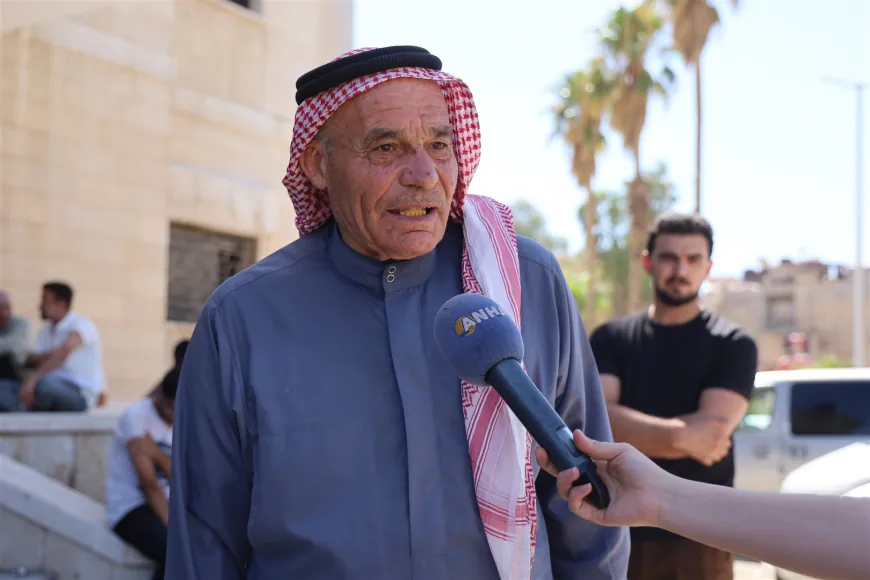
In the city of Ad-Darbasiyah, Mohammed Karmo Haidar, a parent, stated, "The demand for education in the Kurdish language stems from a fundamental right of the Kurdish people; thousands of martyrs sacrificed their lives to enable Kurds to learn and teach in their mother tongue."
Haidar questioned why the Kurdish language has not been officially adopted as a primary language of instruction alongside Arabic, English, and French and why the Kurdish people are being denied the right to learn in their mother tongue. He affirmed that the Kurdish people have the right to demand their cultural and educational rights.
He added that allocating only three weekly lessons for the Kurdish language fails to meet the students' demands, stating: "We do not want merely three lessons for Kurdish language instruction; we have rights, and it is our right to demand all of our cultural and educational rights." Haidar called on the transitional government to reverse the decision and allow Kurdish students to learn in their mother tongue, stating: "These students have studied for over 12 years in their Kurdish mother tongue, yet today they are being forced to study in Arabic. We do not and will not accept this; not out of animosity toward the Arabic language, but because it is our right to learn in our own mother tongue."
"It is our right to learn in our language"
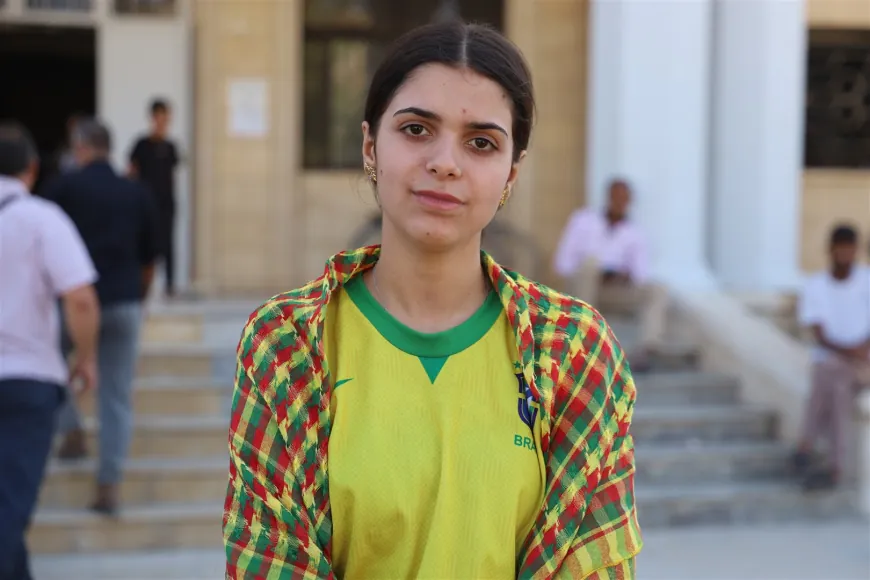
For her part, Lavin Abdul Hamid a student from the city of Serekaniye currently residing in Al-Hasakah stated that learning in one's mother tongue is a "right for all peoples" and that the demands of Kurdish students do not conflict with the rights of other communities to learn in their own mother tongues.
She added: "It is my right to learn in my mother tongue; just as the Arab people have the right to learn in Arabic, we too have the right to learn in our own language."
Abdul Hamid noted that the Kurdish language is deeply linked to the immense sacrifices made by the Kurdish people, saying: "This language was written with the blood of thousands of martyrs and the tears of their mothers."
She called for the continued teaching of the Kurdish language, emphasizing the students' rejection of the decision to limit instruction to just three classes per week, and reiterated that their primary demand is the preservation of their right to education in their mother tongue.
These sit-ins come amidst widespread student and public opposition to the decision; protesters are demanding that the Kurdish language be made an integral part of the educational process and that students be guaranteed the right to study in their mother tongue, free from marginalization or restrictions that limit instruction to a few hours a week.
The protesters believe the issue goes beyond the mere number of class periods, touching upon fundamental linguistic, cultural, and educational rights. They have vowed to press on with their demands until the decision is reconsidered and the right to education in the Kurdish language is guaranteed.
ANHA
Students and families: It is our right to learn in our mother tongue
Sit-ins and protests continue across the cities of Rojava in opposition to the transitional government's decision to restrict Kurdish language instruction to three weekly lessons. Students and their families are demanding the guarantee of their right to education in their mother tongue, the continuation of Kurdish-language instruction, and an end to the marginalization or limitation of the language to a small number of classes.
In the city of Ad-Darbasiyah, Mohammed Karmo Haidar, a parent, stated, "The demand for education in the Kurdish language stems from a fundamental right of the Kurdish people; thousands of martyrs sacrificed their lives to enable Kurds to learn and teach in their mother tongue."
Haidar questioned why the Kurdish language has not been officially adopted as a primary language of instruction alongside Arabic, English, and French and why the Kurdish people are being denied the right to learn in their mother tongue. He affirmed that the Kurdish people have the right to demand their cultural and educational rights.
He added that allocating only three weekly lessons for the Kurdish language fails to meet the students' demands, stating: "We do not want merely three lessons for Kurdish language instruction; we have rights, and it is our right to demand all of our cultural and educational rights." Haidar called on the transitional government to reverse the decision and allow Kurdish students to learn in their mother tongue, stating: "These students have studied for over 12 years in their Kurdish mother tongue, yet today they are being forced to study in Arabic. We do not and will not accept this; not out of animosity toward the Arabic language, but because it is our right to learn in our own mother tongue."
"It is our right to learn in our language"
For her part, Lavin Abdul Hamid a student from the city of Serekaniye currently residing in Al-Hasakah stated that learning in one's mother tongue is a "right for all peoples" and that the demands of Kurdish students do not conflict with the rights of other communities to learn in their own mother tongues.
She added: "It is my right to learn in my mother tongue; just as the Arab people have the right to learn in Arabic, we too have the right to learn in our own language."
Abdul Hamid noted that the Kurdish language is deeply linked to the immense sacrifices made by the Kurdish people, saying: "This language was written with the blood of thousands of martyrs and the tears of their mothers."
She called for the continued teaching of the Kurdish language, emphasizing the students' rejection of the decision to limit instruction to just three classes per week, and reiterated that their primary demand is the preservation of their right to education in their mother tongue.
These sit-ins come amidst widespread student and public opposition to the decision; protesters are demanding that the Kurdish language be made an integral part of the educational process and that students be guaranteed the right to study in their mother tongue, free from marginalization or restrictions that limit instruction to a few hours a week.
The protesters believe the issue goes beyond the mere number of class periods, touching upon fundamental linguistic, cultural, and educational rights. They have vowed to press on with their demands until the decision is reconsidered and the right to education in the Kurdish language is guaranteed.
ANHA
Tags:
“Woman, Life, Freedom” is alternative to systems of 21st century
Next ArticleResidents of Tal Tamr hold sit-in in protest against fuel price soars
Related News